Non Asbestos Brake Friction Material: A Modern Standard for Safer and Smarter Braking Solutions
- protecfrictionus
- Apr 13
- 4 min read
In today’s industrial and automotive landscape, performance expectations are rising rapidly. Safety regulations are tightening, environmental awareness is increasing, and manufacturers are under constant pressure to deliver materials that perform reliably under demanding conditions. Within this context, Non Asbestos Brake Friction Material has emerged as a critical innovation, replacing outdated and hazardous compositions with safer and more efficient alternatives.
This shift is not just a technical upgrade—it is a complete transformation in how braking systems are designed, evaluated, and deployed across industries.
Understanding Non Asbestos Brake Friction Material
Non Asbestos Brake Friction Material refers to a class of engineered compounds used in braking systems that do not contain asbestos fibers. Historically, asbestos was widely used due to its heat resistance and durability. However, its severe health hazards led to global restrictions and eventual elimination in most applications.
Modern formulations are typically composed of a carefully balanced mix of fibers, resins, fillers, and friction modifiers. These materials are designed to replicate and often exceed the performance characteristics of asbestos-based products without introducing toxic risks.
In practical terms, this means improved safety for workers during manufacturing, safer handling during maintenance, and reduced environmental impact over the product lifecycle.
Why the Industry Shifted Away from Asbestos
The transition toward Asbestos Free Friction Material was driven by both regulatory enforcement and scientific evidence. Asbestos fibers, when inhaled, are linked to serious respiratory diseases, including asbestosis and mesothelioma. These health risks prompted governments and safety organizations worldwide to impose strict bans.
However, safety is only part of the equation. Industries also required materials that could withstand high frictional heat, mechanical stress, and variable operating conditions. This challenge led to significant research and development in friction technology.
As a result, modern Asbestos Free Friction Material not only addresses safety concerns but also delivers consistent braking performance, longer service life, and improved thermal stability.
Key Properties of Non Asbestos Brake Friction Material
A well-engineered Non Asbestos Brake Friction Material is defined by several critical performance characteristics:
Thermal Stability: Braking systems generate intense heat during operation. High-quality formulations are designed to maintain friction stability even under extreme temperature conditions, reducing the risk of fade.
Consistent Friction Coefficient: Uniform friction behavior ensures predictable braking response. This consistency is essential for both safety and operational efficiency, especially in heavy-duty applications.
Wear Resistance: Durability plays a significant role in reducing maintenance costs. Advanced compositions are engineered to minimize wear on both the friction material and the mating surface.
Noise and Vibration Control: Modern formulations often incorporate damping agents that help reduce squealing and vibration, contributing to smoother and quieter operation.
Environmental Compliance: With increasing global emphasis on sustainability, Asbestos Free Friction Material is developed to comply with environmental standards and reduce harmful emissions during use.
Applications Across Industries
The versatility of Non Asbestos Brake Friction Material has led to its widespread adoption across multiple sectors.
Automotive Sector: Passenger vehicles, commercial trucks, and buses rely heavily on advanced friction materials for braking systems. The focus here is on safety, comfort, and long-term reliability.
Industrial Machinery: Heavy-duty equipment such as presses, conveyors, and material handling systems require friction materials that can handle continuous operation and high loads.
Rail Transportation: Rail systems demand materials that can endure repeated high-energy braking cycles while maintaining performance consistency.
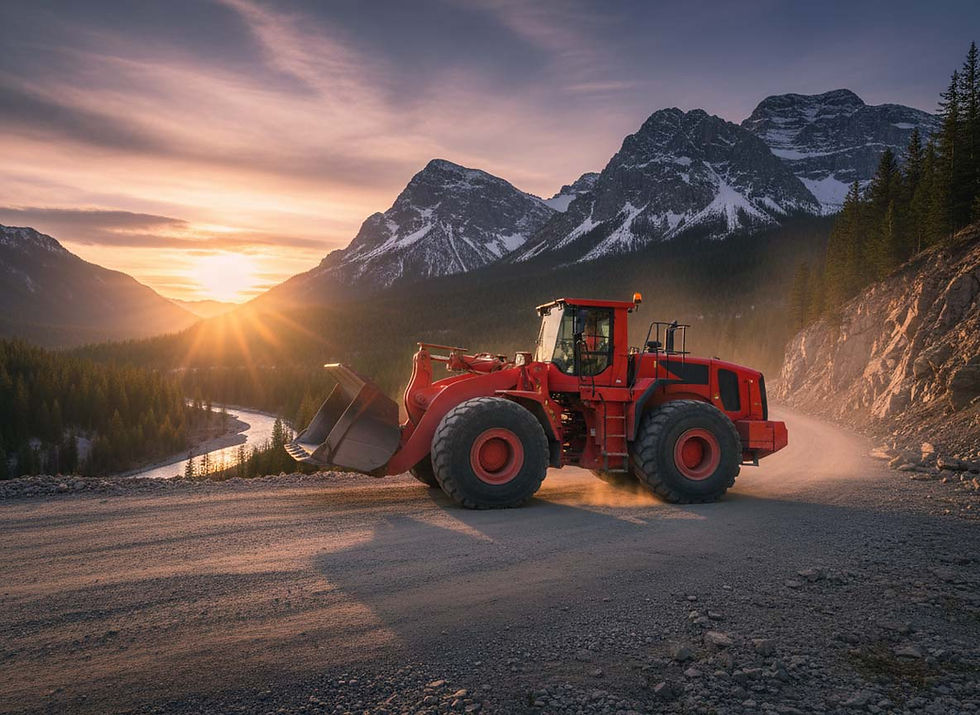
Construction and Mining Equipment: In harsh environments, braking systems must function reliably under dust, heat, and heavy mechanical stress. Asbestos-free solutions are particularly well-suited for these conditions.
Manufacturing Considerations and Quality Standards
Producing high-quality Non Asbestos Brake Friction Material involves precise engineering and strict quality control. Manufacturers must carefully select raw materials and maintain controlled production processes to ensure consistency.
Key manufacturing considerations include:
Accurate formulation of fiber and resin content
Uniform mixing and heat treatment processes
Controlled curing cycles for structural integrity
Rigorous testing for friction, wear, and thermal performance
Compliance with international standards is also essential. Quality assurance protocols ensure that every batch meets performance expectations and safety requirements.
Companies like protecfriction.com operate in this highly specialized space, focusing on delivering engineered friction solutions that align with modern industrial demands.
Advantages of Asbestos Free Friction Material
The adoption of Asbestos Free Friction Material offers a wide range of benefits that extend beyond compliance:
Improved Safety Profile: Eliminating asbestos removes a major health hazard from both production and operational environments.
Enhanced Performance Reliability: Modern materials provide stable friction behavior under diverse operating conditions, improving overall system reliability.
Lower Maintenance Requirements: Due to improved wear resistance, components last longer, reducing downtime and replacement frequency.
Environmental Responsibility: These materials support cleaner production processes and reduce harmful waste impact.
Cost Efficiency Over Time: While initial costs may vary, long-term savings are achieved through durability and reduced maintenance needs.
Choosing the Right Supplier
Selecting a reliable supplier for Non Asbestos Brake Friction Material is a strategic decision. Businesses should evaluate suppliers based on technical expertise, manufacturing capability, and adherence to global standards.
Key factors to consider include:
Proven industry experience
Testing and certification capabilities
Product customization options
Consistency in quality output
Technical support and responsiveness
A strong supplier partnership ensures not only product quality but also long-term operational stability.
The Future of Friction Material Technology
The evolution of Asbestos Free Friction Material is far from complete. Ongoing research is focused on improving thermal efficiency, reducing environmental impact, and enhancing performance under extreme conditions. Call Now to learn more about advanced friction material solutions.
Emerging trends include the use of advanced composites, nano-material enhancements, and eco-friendly binding agents. These innovations are expected to redefine performance benchmarks in braking technology. Contact us today to explore innovative and sustainable material options.
As industries continue to modernize, demand for safer, smarter, and more sustainable friction materials will only increase.
Conclusion
Non Asbestos Brake Friction Material represents a significant advancement in engineering safety and performance. By eliminating hazardous components and introducing high-performance alternatives, industries can achieve a balance between safety, durability, and efficiency.
Whether in automotive systems, industrial machinery, or heavy-duty equipment, the adoption of Asbestos Free Friction Material is now a global standard rather than an optional upgrade.
For organizations seeking reliable and engineered friction solutions, exploring specialized manufacturers such as protecfriction.com can be a practical step toward ensuring long-term performance and compliance in an increasingly demanding industrial environment.


Comments